Gluco Cleanse Tea Review: We Looked Past the "Diabetes Fix" Video
Reviewed by Daniel Marques, independent supplement reviewer · Updated June 2026
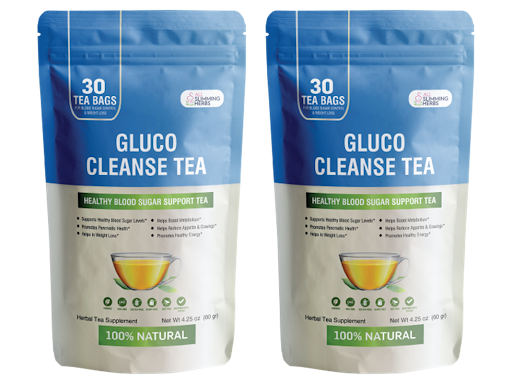
Gluco Cleanse Tea is an herbal tea-bag supplement marketed to adults who want to support healthy blood sugar metabolism that's already within the normal range. It's built on recognizable botanicals — gymnema, cinnamon, bitter melon — but it's sold through a video that promises to "fix type 2 diabetes," packs 19 herbs into an undisclosed tea-bag blend, and leans on review counts we can't verify. That combination is why this is one of the few products we don't recommend. We have no affiliate relationship with Gluco Cleanse Tea; here's exactly what we found.
See Our Top-Rated Alternative InsteadThe video-vs-reality breakdown is further down. Read the cons first.
Quick Verdict
Not recommended. Real, recognizable glucose botanicals — but crammed into a 19-herb proprietary tea-bag blend with no disclosed doses, brewed in cups (so your actual intake is anyone's guess), and pushed by a "fix your type 2 diabetes" video no tea can back up.
See What We Recommend InsteadWhat Is Gluco Cleanse Tea?
Gluco Cleanse Tea is an herbal tea dietary supplement — a pouch of 30 tea bags (4.25 oz / 90 g), brewed and taken as up to three cups a day — marketed to adults who want to support healthy blood sugar metabolism that's already within the normal range, alongside diet and exercise. The label headlines a blend of around 19 plants and botanicals and is described as a 100% natural herbal tea supplement made in the U.S. in an FDA-registered, GMP facility, sold directly through the official website with checkout handled by BuyGoods.
Before the Tea: The Video Problem
You've probably arrived here after a long video sales letter — and that's where the biggest red flag sits. The presentation tells viewers to "drink three cups daily to fix your type 2 diabetes," describes the herbs as "diabetes-fixing," and claims ingredients can "regenerate insulin-producing cells" or act "like natural insulin." To be blunt: no herbal tea can fix, reverse, or treat diabetes, and any ad claiming otherwise is a reason to step back, whatever the product. Diabetes is a medical condition that belongs with a doctor, not a checkout page.
Two more things to know before buying anything with this name on it: the page leans on a "based on 36,781+ reviews" style badge we have no way to verify, and the same video folds in weight-loss promises ("break down fat cells," "boost metabolism"). When one product is sold as a fix for blood sugar and weight and energy through a scarcity-timer funnel, treat the marketing as the warning sign — not the evidence.
What's Inside (Proprietary 19-Herb Blend)
The botanicals themselves are legitimate, well-known players in this category — the problem is how they're delivered. Gluco Cleanse Tea is a proprietary blend: the milligram amount of each herb is not disclosed, and because it's a tea bag you steep yourself, how much of each compound actually ends up in your cup depends on water temperature, steeping time and the bag — so the real "dose" is unknowable. Below are six of the recognizable actives the marketing features; the blend also lists banaba, fenugreek, triphala, lemongrass, dandelion, ginseng, oolong and others.
Gymnema Sylvestre
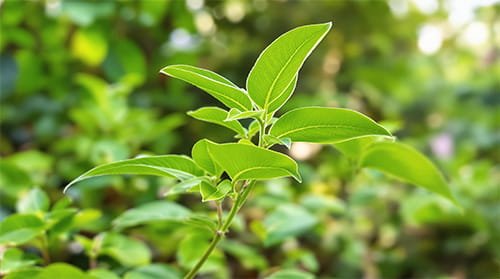
The best-known glucose botanical, traditionally associated with supporting normal sugar metabolism and the taste perception of sweetness — usually studied as a standardized extract, not a tea infusion.
Cinnamon
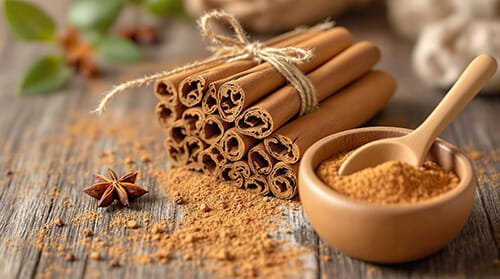
A classic culinary botanical included for its traditional role in supporting normal carbohydrate metabolism — typically studied at gram-level doses, far more than a cup of tea is likely to deliver.
Green & Oolong Tea
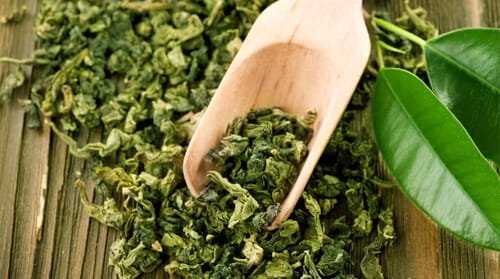
Polyphenol-rich tea leaves included for their antioxidant profile and traditional association with a healthy metabolism. A sensible fit for a tea format — though they do carry caffeine.
Bitter Melon
A traditional botanical often paired with normal glucose metabolism in folk use. The marketing's "acts like natural insulin" framing, however, is a therapeutic claim no supplement can make.
Banaba Leaf
A leaf extract traditionally associated with supporting how the body handles dietary carbohydrates — again, normally studied as a standardized extract at a known dose, not a steeped infusion.
Fenugreek & Turmeric
Fenugreek seed and turmeric round out the recognizable names, included for their traditional roles in supporting normal carbohydrate metabolism and a healthy antioxidant environment.
Pros & Cons
Pros
- Recognizable, widely-used glucose botanicals (gymnema, cinnamon, bitter melon, banaba) rather than invented "miracle" compounds
- A warm daily tea ritual is pleasant and easy to stick with, and is caffeine-light compared with coffee
- Marketed as 100% natural and made in the U.S. in an FDA-registered, GMP facility
- 60-day money-back guarantee with checkout handled by BuyGoods, an established retailer that processes refunds
- Multi-pouch bundles ship free and include bonus wellness eBooks
Cons
- "Fix your type 2 diabetes" marketing — the central promise is a disease-treatment claim no tea can keep, and the single biggest reason we don't recommend it
- Undisclosed proprietary blend — ~19 herbs with no per-ingredient doses, so you can't judge potency or compare value
- Tea-bag delivery makes the real dose unknowable — how much of each compound reaches your cup depends on steeping time and temperature, unlike a standardized capsule
- Unverifiable social proof — a "36,781+ reviews" style badge and weight-loss claims layered onto the same funnel
- Only sold on the official site via a scarcity-timer video page, not in stores or major marketplaces
- Premium price (~$69/pouch on the 3-pack) for an undosed herbal tea; results vary, and a supplement doesn't replace diet, exercise, or medical care
Who Is It For (and Not For)?
The only case we can see for it: you simply enjoy a warm herbal tea built around traditional botanicals, you treat it as a pleasant daily ritual rather than a treatment, and you're using the 60-day refund window as your safety net.
Not for you if you: want to know how much of each ingredient you're actually getting (you can't), expect a tea to manage a blood-sugar condition, or found this product through a video promising to "fix" diabetes. See our Gluco6 review for a more transparent, dose-focused alternative. Also skip it if you're pregnant/nursing or on medication (especially blood-sugar medication) — and talk to your doctor first regardless.
Frequently Asked Questions
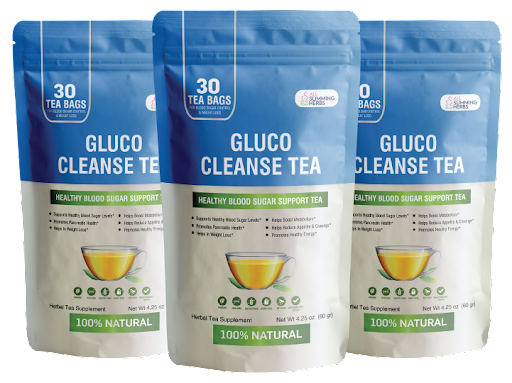
The Verdict: Not Recommended
Gluco Cleanse Tea gets the easy part right: real, recognizable botanicals and a pleasant daily ritual. But it's an undisclosed 19-herb blend brewed in a cup — so the actual dose is unknowable — sold through a video that promises to "fix type 2 diabetes" and stacks weight-loss claims and unverifiable review counts on top. A warm tea you enjoy is fine; a tea sold as a diabetes cure is not, and we won't point you to it. We have no affiliate relationship with this product. If you want transparent, meaningful dosing in this category, start with our top-rated pick, Gluco6.
Read Our Top-Rated Pick: Gluco6Medical disclaimer: These statements have not been evaluated by the Food and Drug Administration. This product is not intended to diagnose, treat, cure, or prevent any disease. Always consult a qualified healthcare professional before starting any supplement, especially if you are pregnant, nursing, taking medication, or managing a health condition.
Affiliate disclosure: Glucoreviews.com is reader-supported. We may earn a commission when you purchase through links on this page, at no additional cost to you. This does not influence our assessment, and we have no affiliate relationship with Gluco Cleanse Tea. See our full disclosure and review methodology.